Day 3 of the Claw trip we had a lot of miles we planned to cover, so we got up grabbed a quick breakfast and we’re back on the road. First stop, Shot Tower Historical State Park.

Located near New River Trail in Austinville, VA, the centerpiece of the park is the Jackson Ferry Shot Tower. Built over 200 years ago, the Shot tower overlooks the New River.
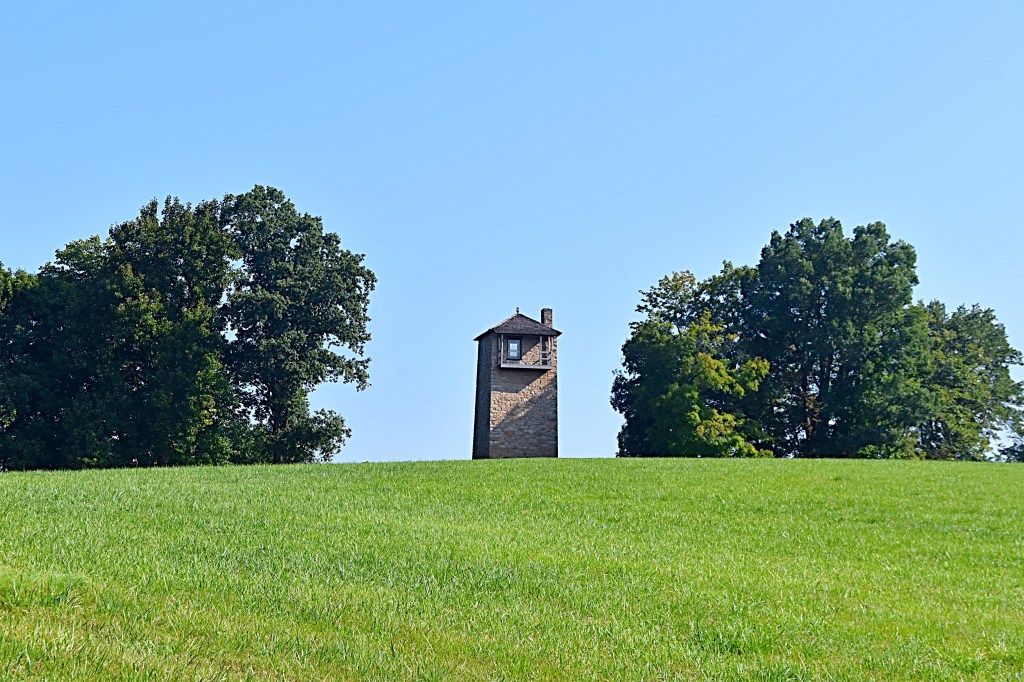
The historic landmark was used by early settlers to create ammunition. Lead from local mines would be melted down with a wood furnace at the top of the tower, then poured through a sieve forming drops of lead. The droplets would then fall 150 feet to become spherical and cool, becoming rigid as they did. In order to complete the cooling process, and to provide a soft landing to stop deforming, the newly formed shot landed in a kettle of water at the bottom of the tower.
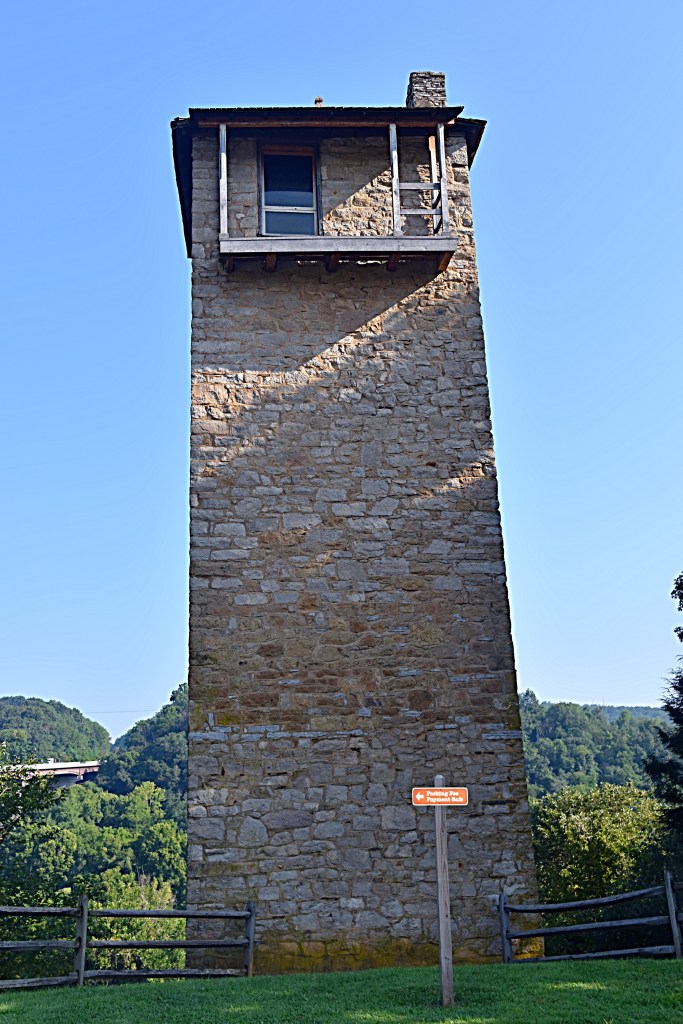

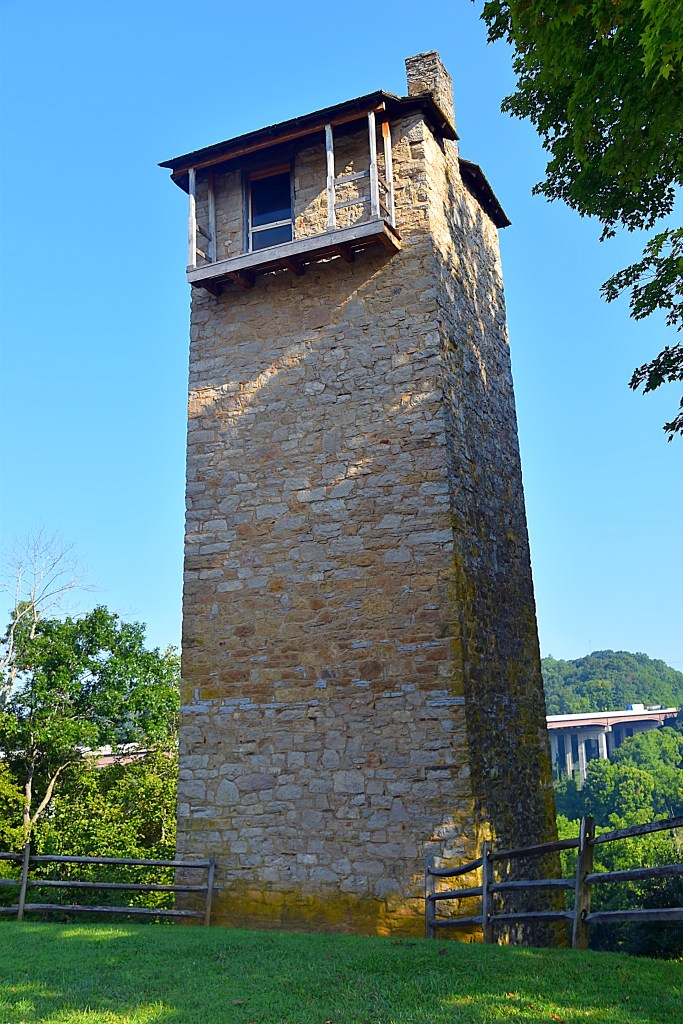

The construction of the Jackson Ferry Tower is different from most shot towers for a couple of reasons. First, the tower was constructed of limestone rather than brick. This not only made the walls stronger, it also kept the interior temperature of the tower cooler and more consistent. These two factors improved the quality of the shot produced in this tower. Second, the location of the tower provided the designers with an advantage. They were able to build the tower on the edge of the cliff and reduce the height of the tower while maintaining the 150-foot drop that was necessary for the process by digging a 75-foot vertical shaft in the ground. A horizontal tunnel was then added near the shore of the river that gave them access to the bottom of the shaft.
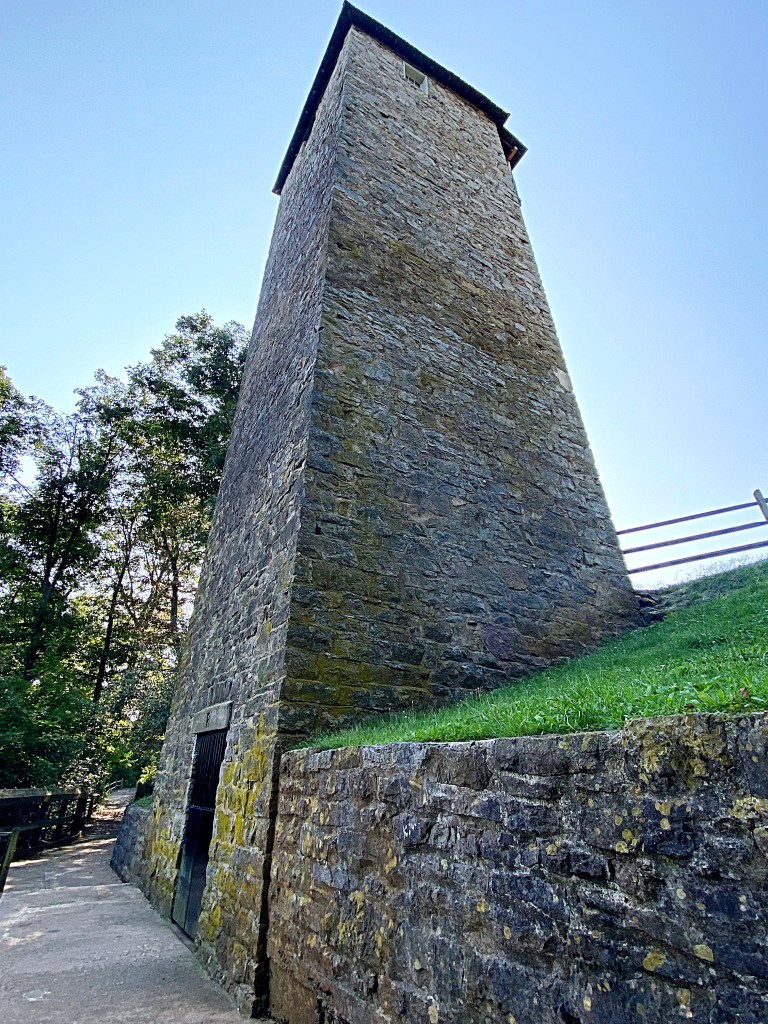

Diagram from the Henrico County Historical Society
The park is open year round from dawn to dusk, and on scheduled days during the summer the tower is open for tours. The park is free, but there is a fee for the tour. Unfortunately, the day we stopped there was no tour available. There is also a nice picnic area and several spots to just sit under the trees and enjoy the peacefulness of the countryside.

Next up was Historic Foster Falls located in the New River State Park, which is under 3 miles from the Shot Tower. The village of Foster Falls was the product of the iron industry that flourished in the New River Valley in the 19th and early 20th centuries.
An iron furnace was constructed in 1881 at Foster Falls, followed by a railroad passenger-and-freight station close by leading to other businesses to locate there. By 1895 the village had a population of 296, a Victorian-style hotel, post office, gristmill, sawmill, general store, distillery and 100 houses.
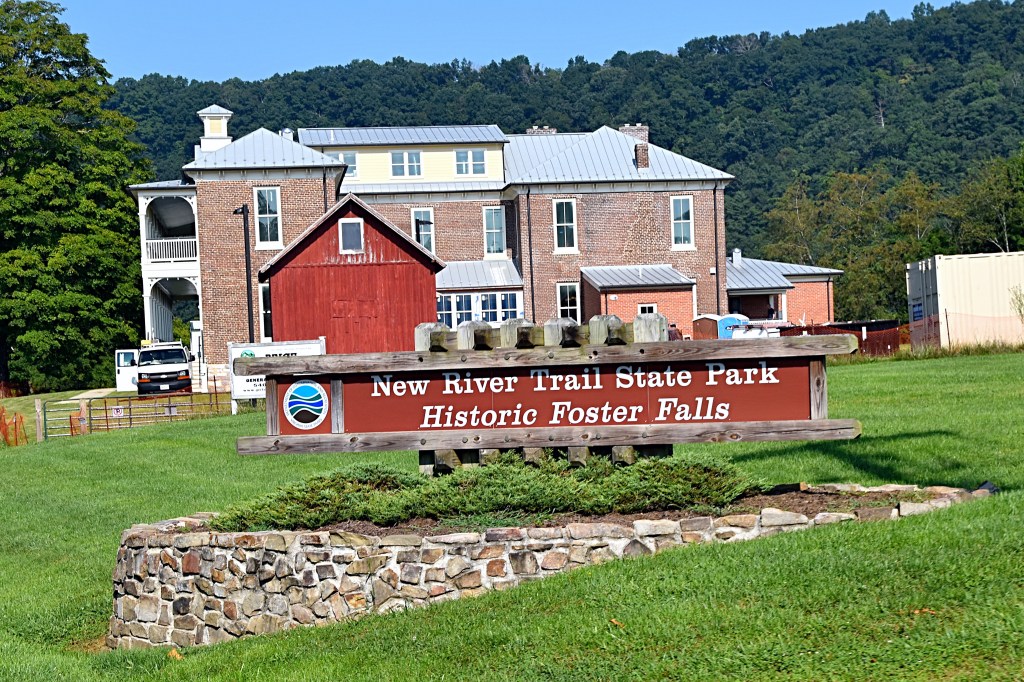
Five years after the furnaces ceased in operations, the hotel changed ownership. The once elegant hotel that was the centerpiece of the village was turned into an industrial school for young women. Then in 1938, it became a co-ed orphanage. By 1962, the building had fallen into disrepair and the children’s home was relocated. After years of being abandoned, the building is now being restored and will serve as a state park lodging establishment. I would love to go back when it is completed and stay at this historic spot.
More information can be found on the Virginia DCR website.
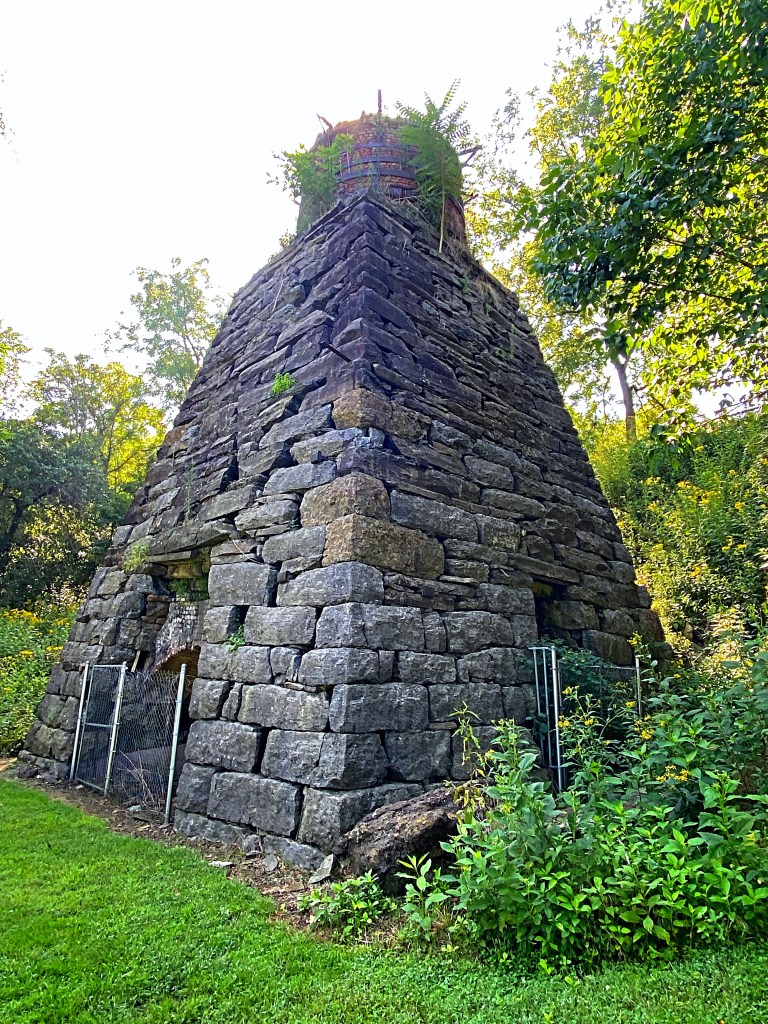
Remnants of the furnace built by the Foster Falls Mining and Manufacturing Company, can be seen when you visit the park. This furnace was the last of the cold-blast, charcoal-fueled furnaces to operate in the southwestern Virginia region.

The furnace employed 80 men and produced 3,000 ton of pig iron annually at it’s peak. The iron-ore used was brought in from several local mines, the New River provided the water power and the extension added by Norfolk and Western Railway in 1882 provided easy distribution.
The railroad passenger station built in 1887 for the Norfolk & Western Railway, later called the Cripple Creek Branch, still remains in the Foster Fall Historic District. Restored by the New River Tail State Park, it now serves as a visitors’ center as well as a gift shop. We stopped in to get a cold drink and of course a small souvenir. Across from the visitor center is also a Norfolk and Western train car.

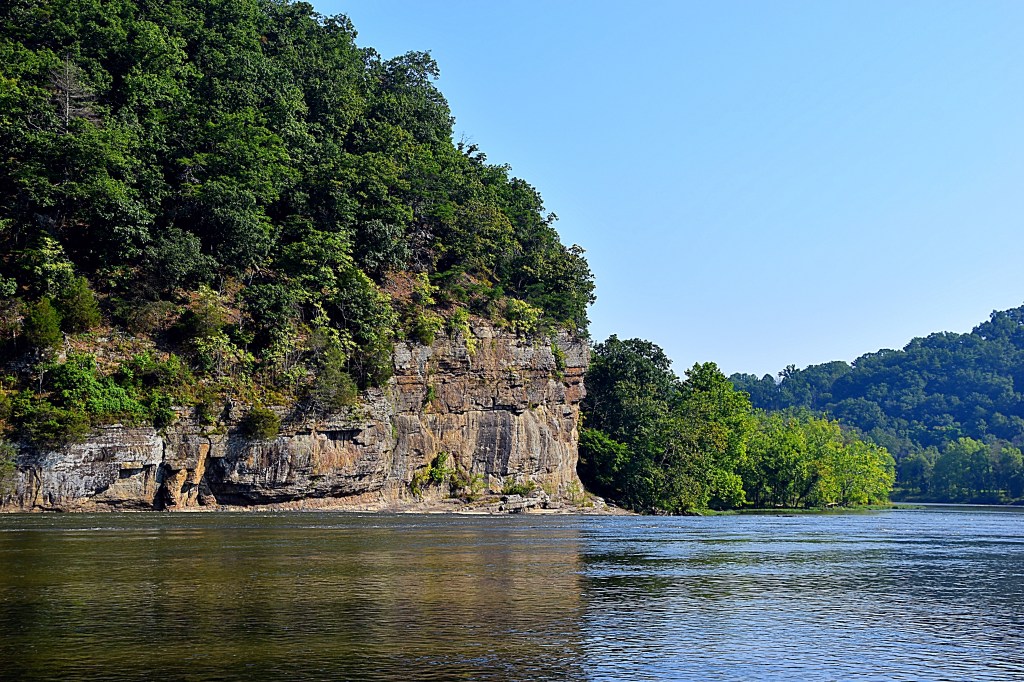
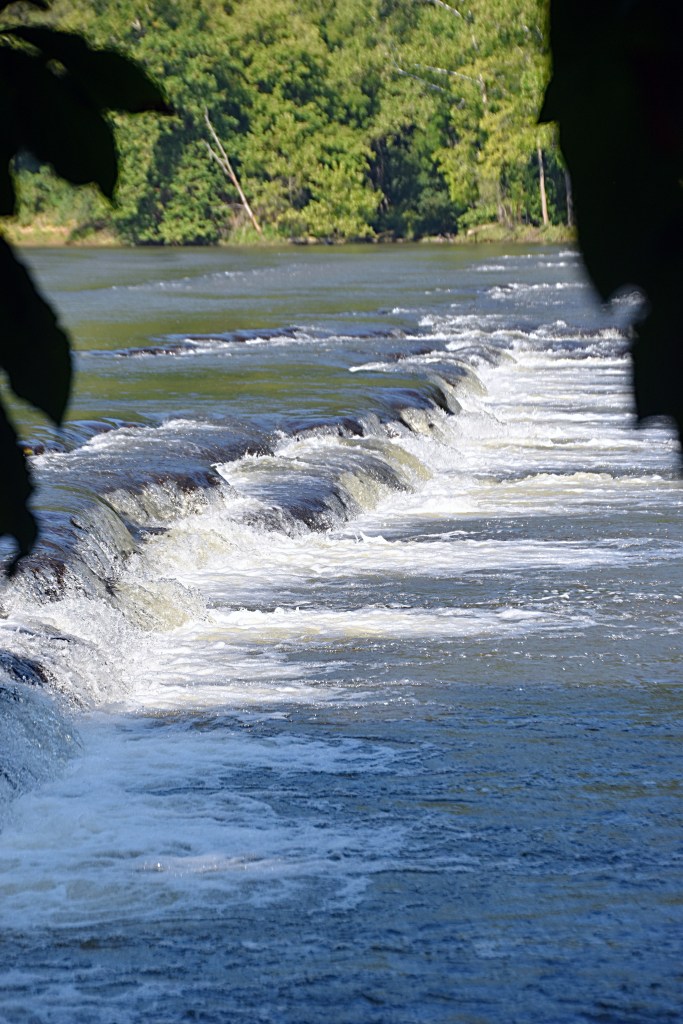
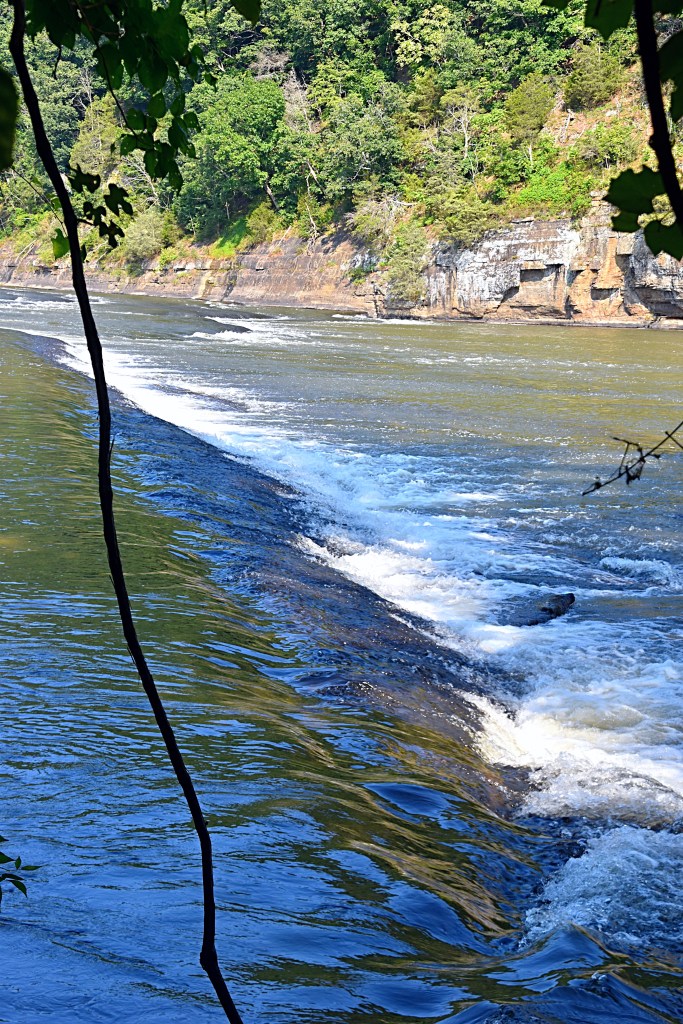
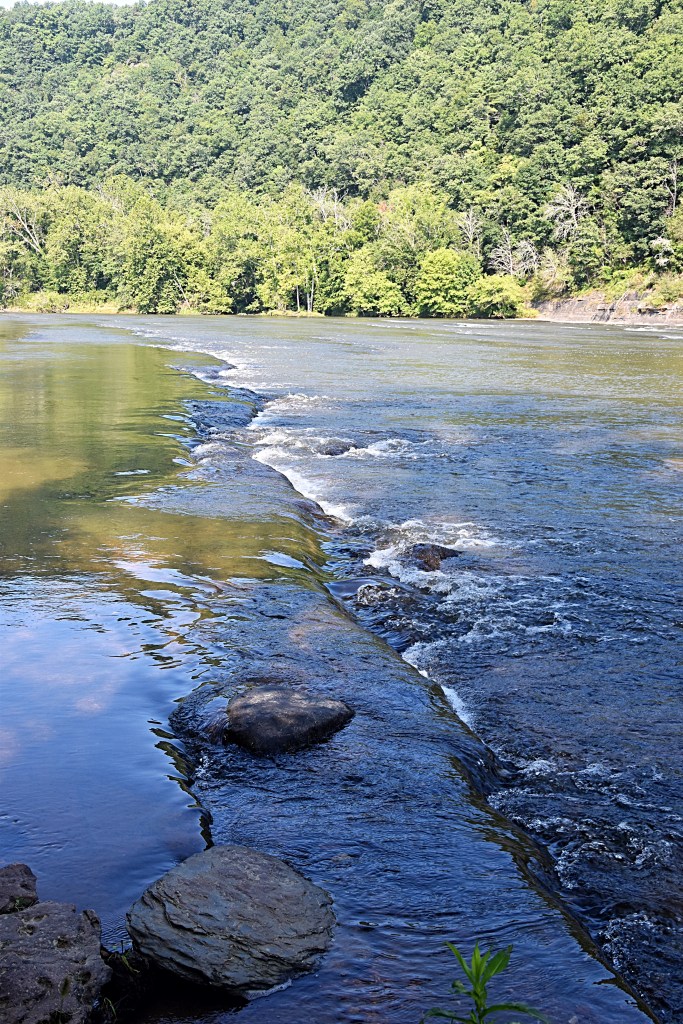
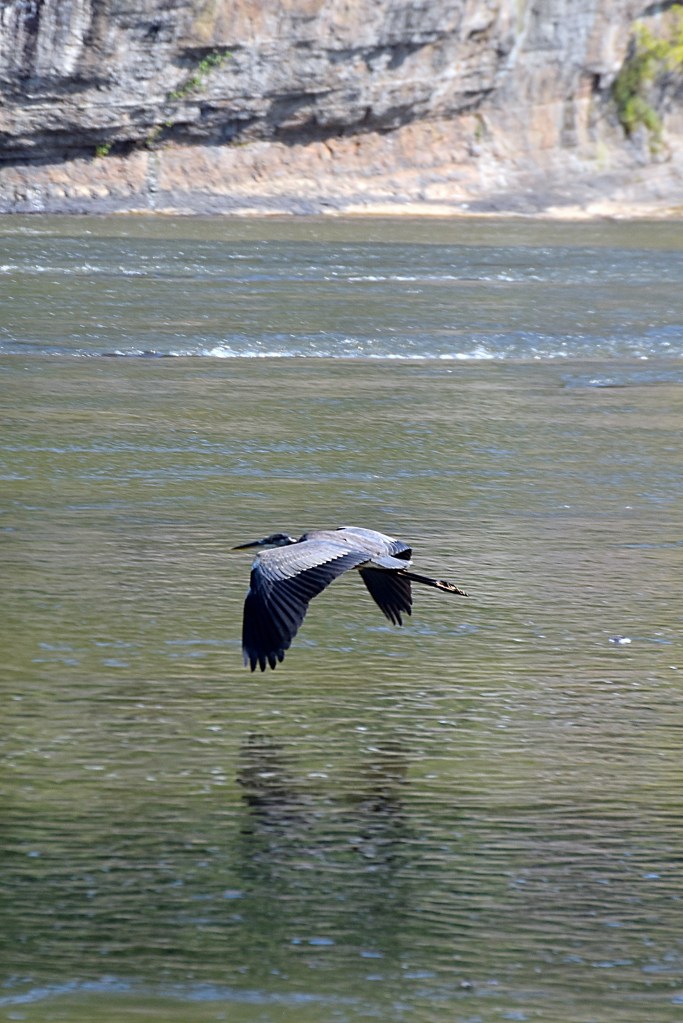
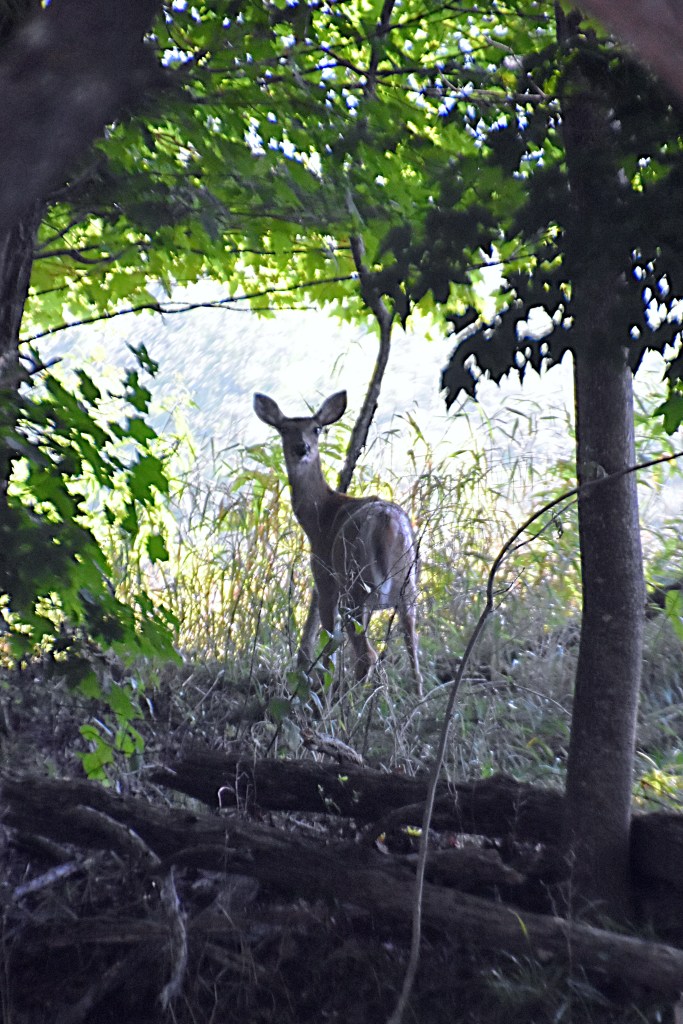
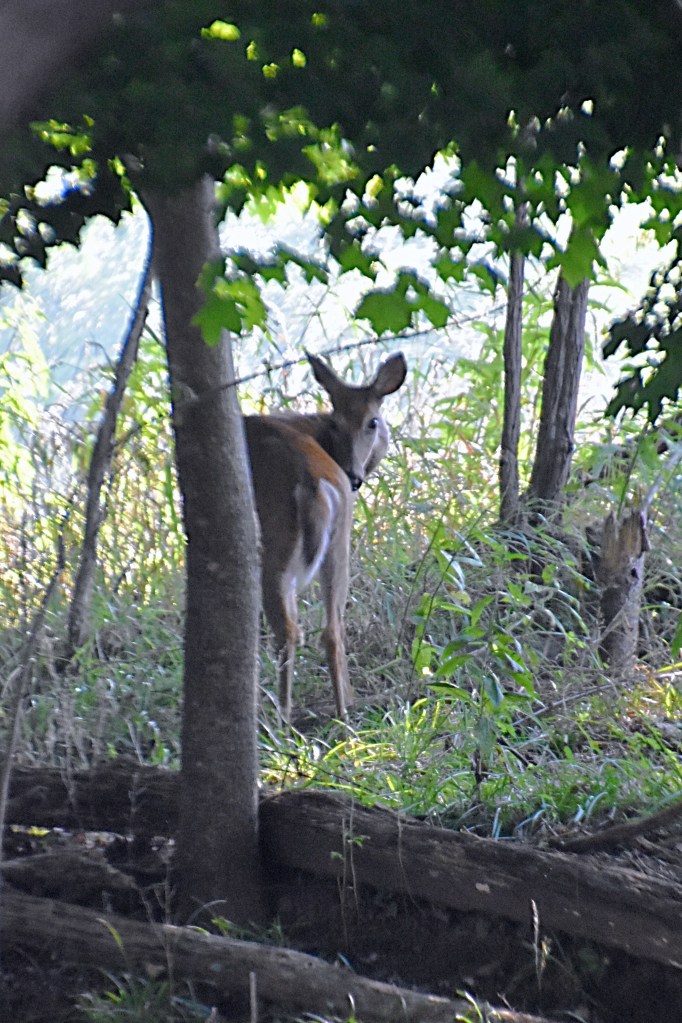
The park also has the remains of several other buildings from the historic Foster Falls village that you can view while exploring the park. In addition to the history of the village, the New River Trail State Park also offers several nice picnic areas, primitive campsites by the river and trails that visitors can explore. While we were there we took a short hike to the river to see the falls and also got to see some wildlife.

After leaving Foster Falls, we continued on the roads that make up the Claw of the Dragon and stopped at Draper Mountain Overlook located on US Route 11 in Pulaski, VA. The overlook was named for John Draper, an early settler of the Virginia Frontier and the land along the New River.
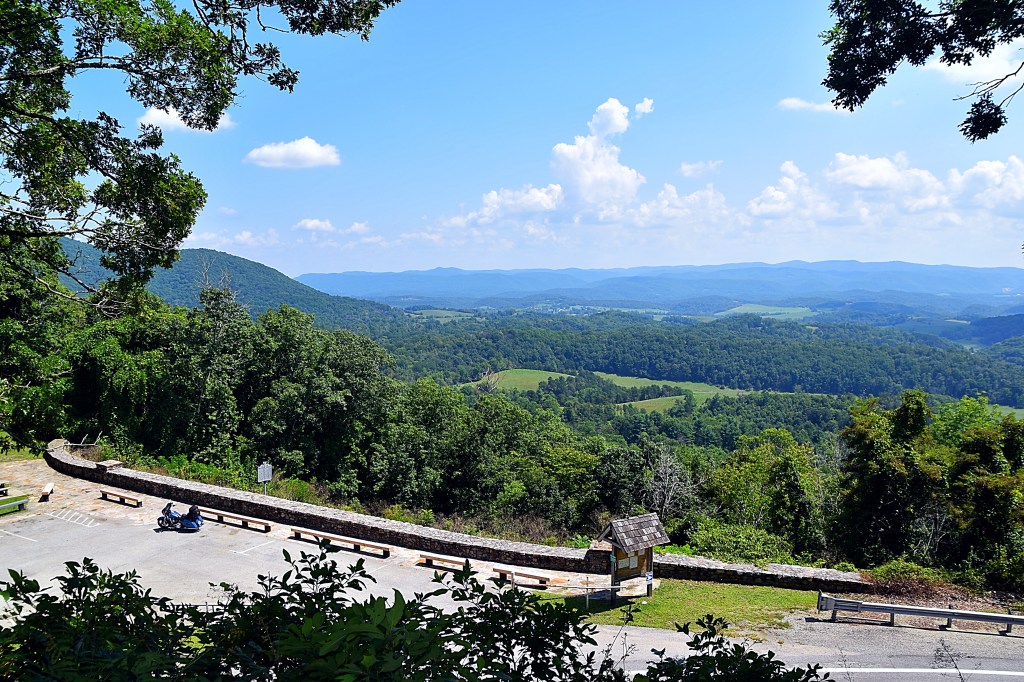
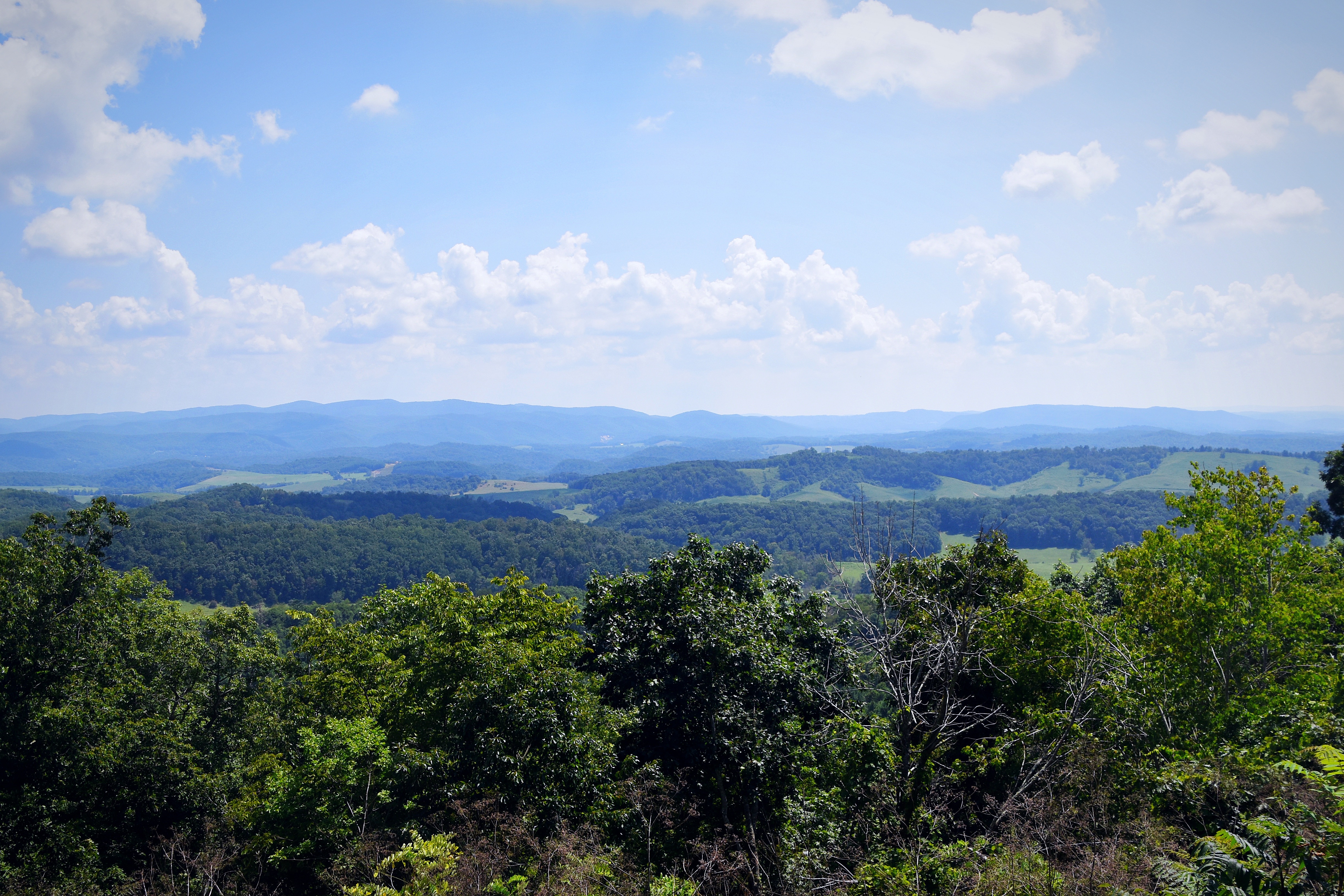
In 1755 the Shawnee Indians raided the Viginia Frontier and John’s wife, siter-in-law and five others were taken captive and taken back to the Shawnee Camps in the Ohio River Valley. While John’s sister-in-law was able to escape and travel more than 850 miles back to the New River Valley, John’s wife remained a captive. She lived for 6 years with the family of an Indian Chief until John found her and was able to barter for her release. In 1765 John and his wife moved from Draper’s Meadow to area seen below the overlook, which is known as Draper’s Valley.
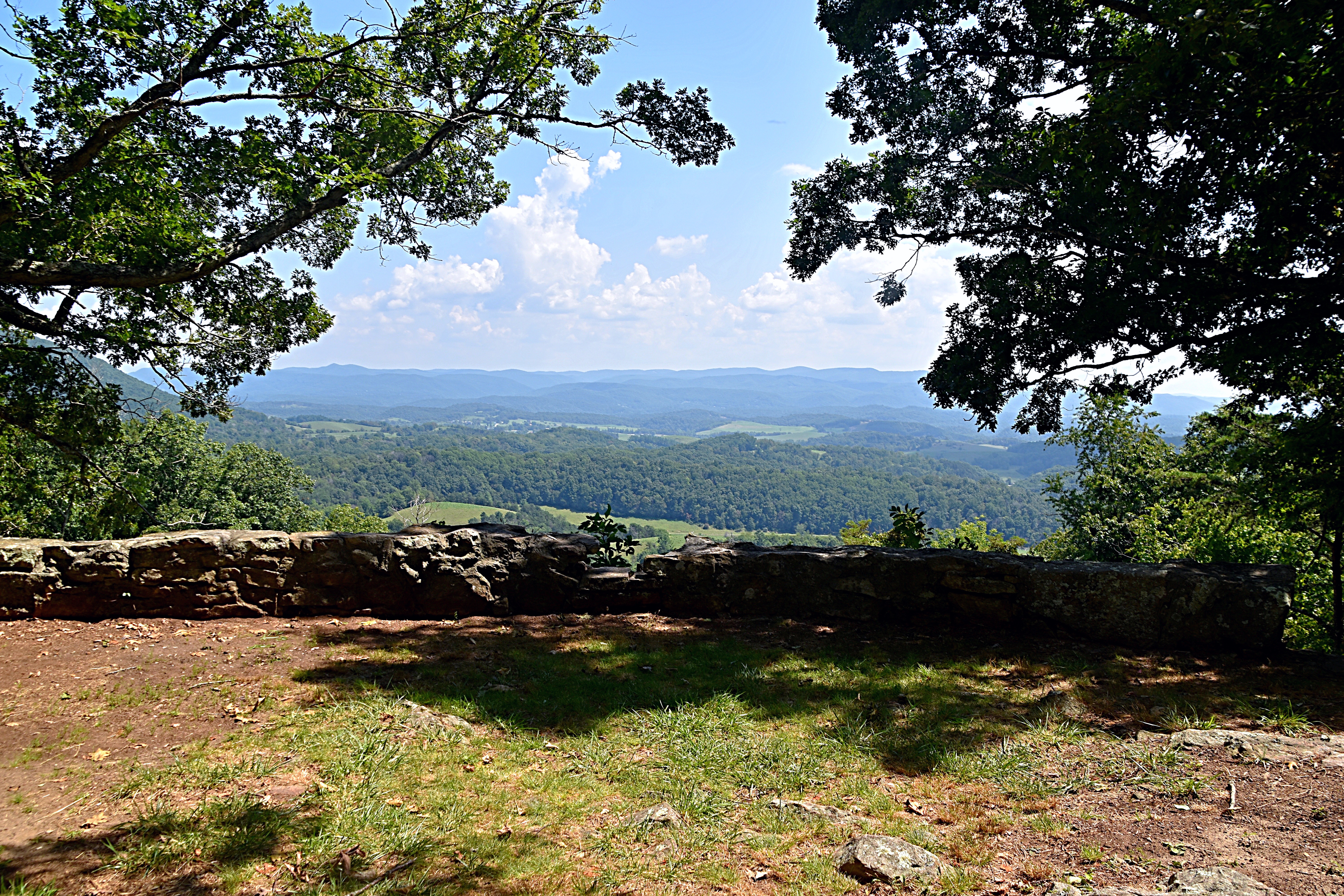
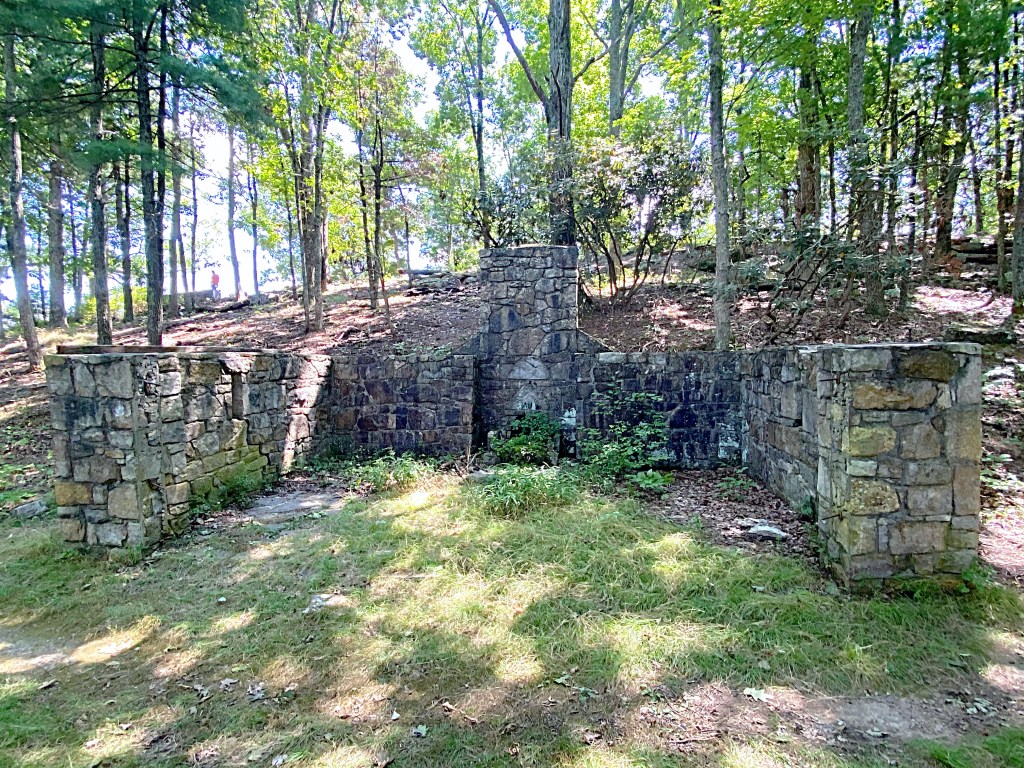
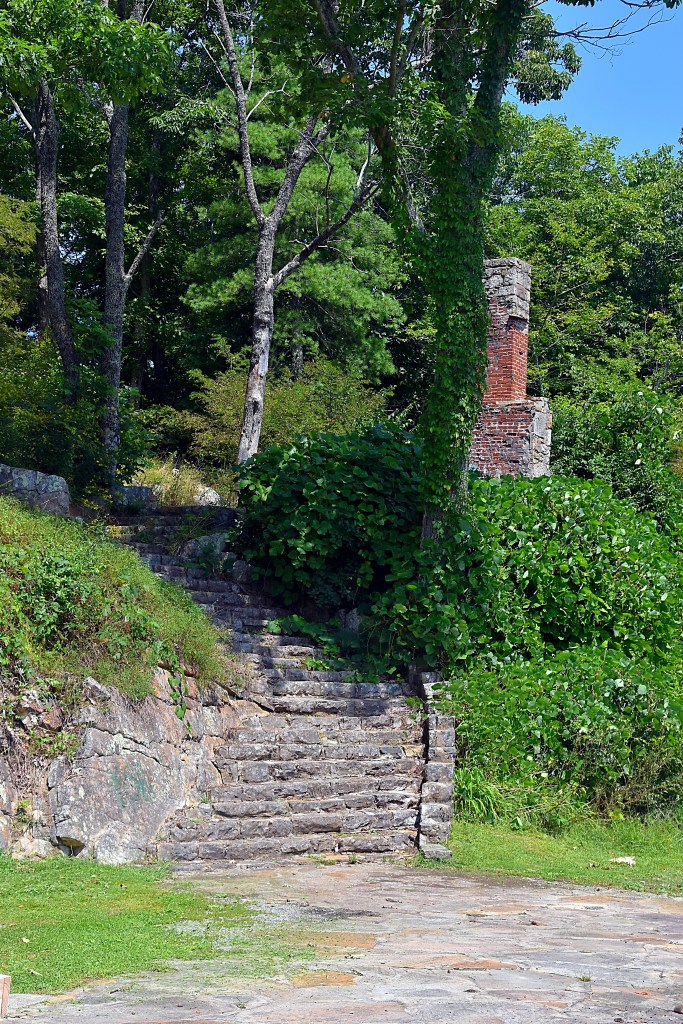
In addition to the interesting story of the overlook and surrounding area’s name there are also remnants of several structures.

The overlook offer plenty of parking on both sides of the roads, some picnic tables and hiking trails.


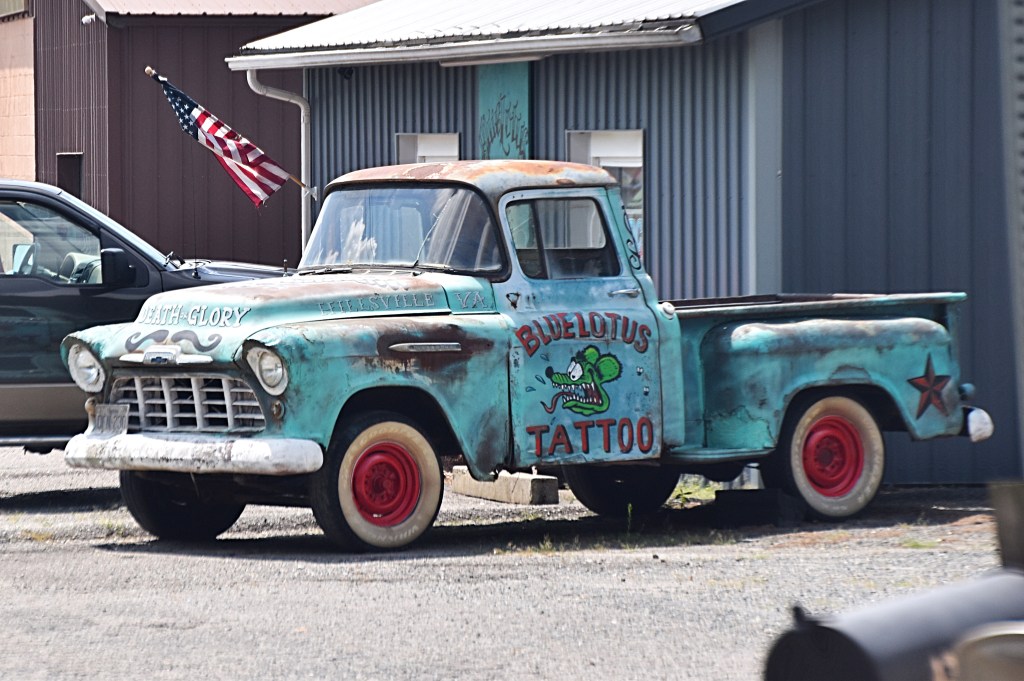
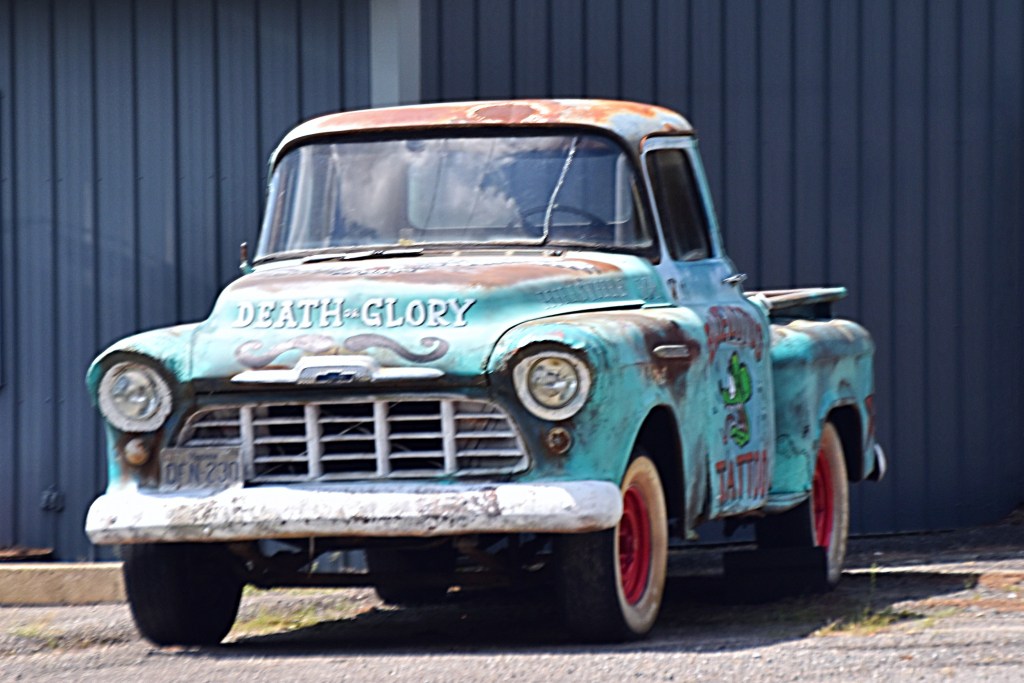
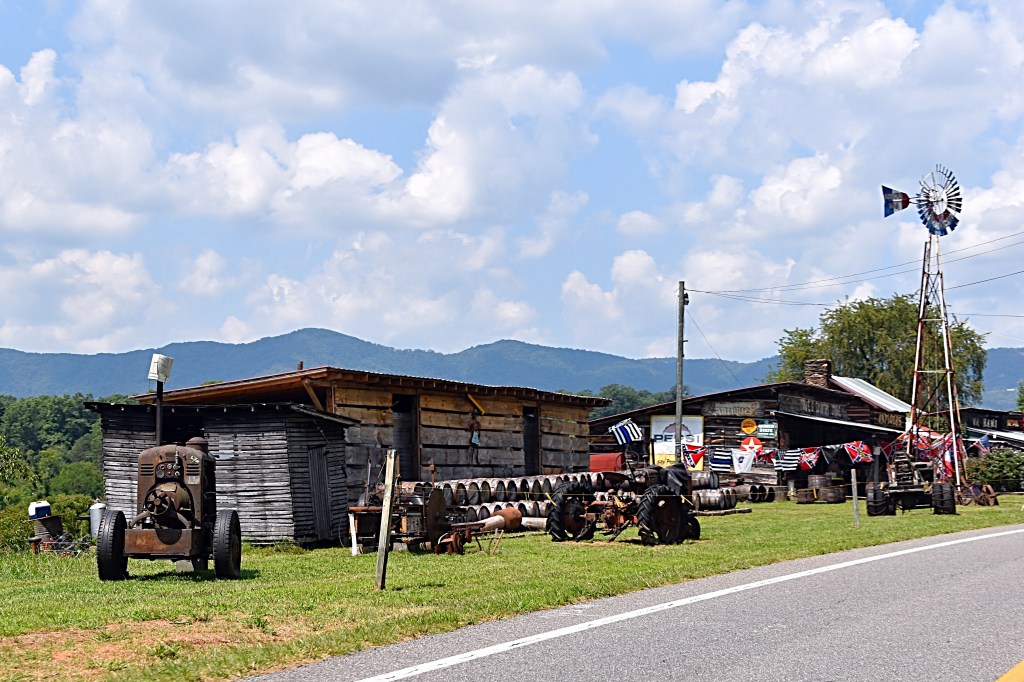
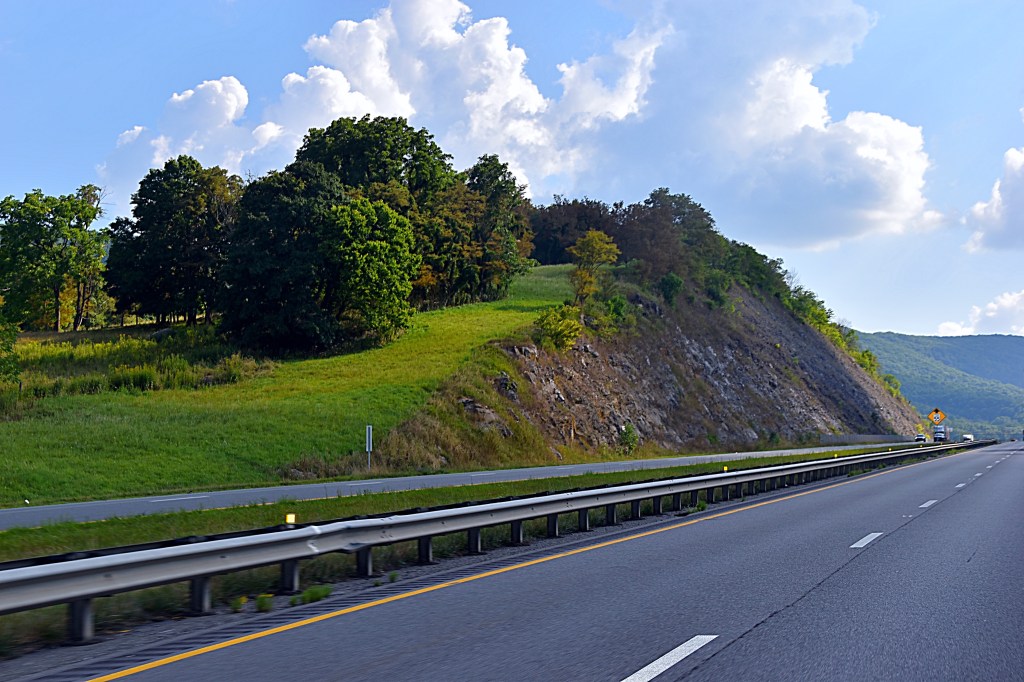
We traveled more of the winding mountain roads and found a hotel for the night. Below are just some of the interesting things we saw along the way. Our total mileage for day 3 of our Claw of the Dragon trip was 208 miles.



 CKay Lens View